Dreaming of a little elbow room near Little Rock, but not sure where to start? You are not alone. Buying acreage comes with different questions than buying a house in a neighborhood, from access and utilities to soils, financing, and timelines. This guide breaks down the exact steps to take in Pulaski County so you can evaluate land with confidence and move toward a smooth closing. Let’s dive in.
Why buy acreage near Little Rock
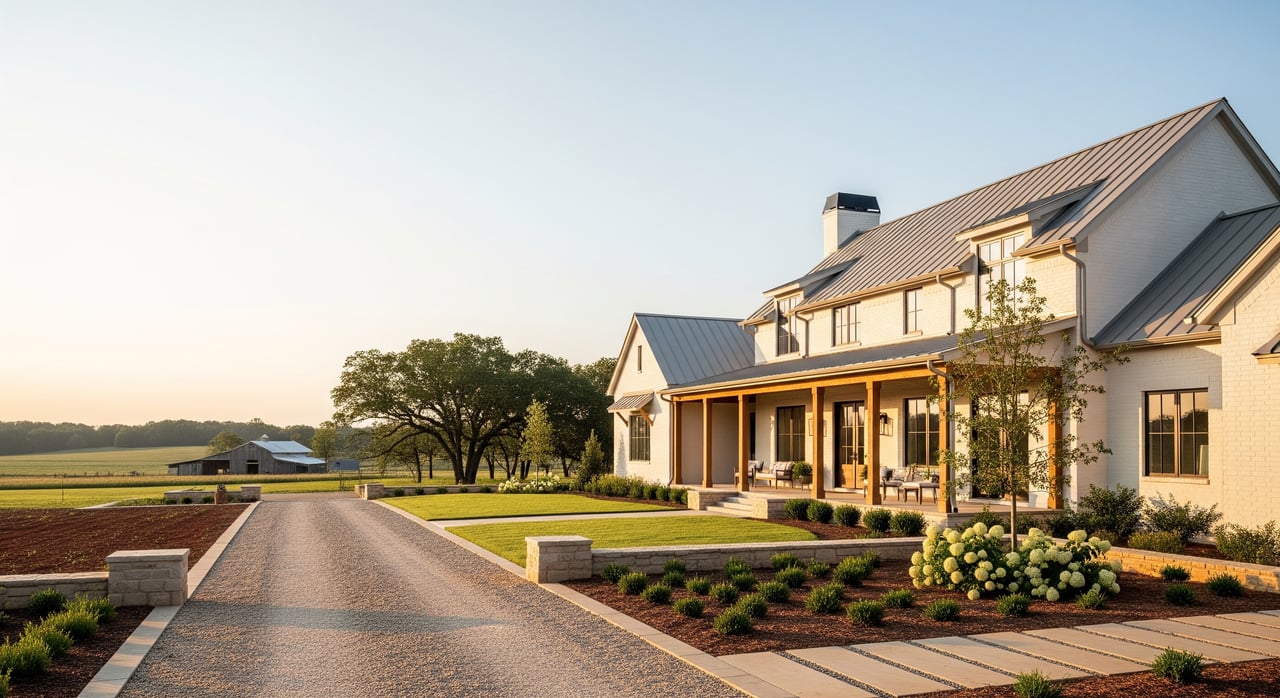
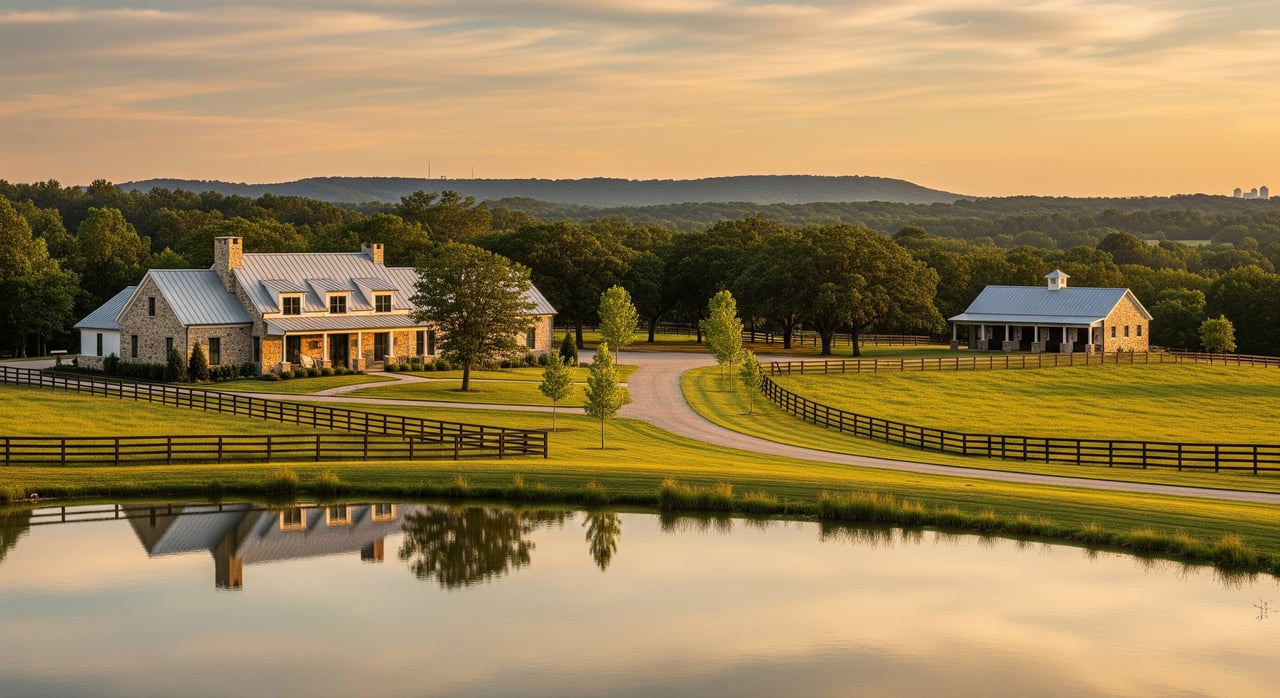
Buying land close to Little Rock lets you keep a reasonable commute while enjoying space for gardening, small livestock, recreation, or long-term investment. Many parcels just outside the city feel rural but still sit within reach of services. Your value will depend on access, topography, timber, utilities, and potential flood risk. Knowing how each factor affects your plan helps you price and negotiate with clarity.
City vs. county rules
First, verify whether the parcel sits inside Little Rock city limits or in unincorporated Pulaski County. In-city parcels follow City of Little Rock zoning and permitting. County parcels follow county-level standards for building, setbacks, and infrastructure.
If you are looking at property within city limits, review zoning or permitting with the City of Little Rock Planning & Development. If the land is outside the city, you will coordinate with county offices and state agencies for items like septic permitting and recorded documents.
Due diligence: the essentials
Buying acreage is about answering a few core questions early. Use the sections below as your checklist.
Title, access, and easements
Legal access is non-negotiable. Confirm whether the parcel fronts a public road or relies on a private easement. If access is by easement, make sure it is recorded and clearly allows vehicle ingress and any road upgrades you may need.
Order a preliminary title report and plan to purchase title insurance. The report should show easements, covenants, liens, mineral reservations, and other exceptions. For background on title insurance and survey standards, explore the American Land Title Association.
Survey and boundaries
A boundary survey confirms the property lines and monuments. For more complex tracts or when a lender requires it, an ALTA/NSPS survey maps improvements, recorded easements, and rights-of-way, which can prevent surprises later. Build a survey contingency into your offer and order it as soon as you go under contract, since survey lead times can run several weeks.
Utilities and services
- Water. Inside city limits or some subdivisions, public water may be available. Rural parcels often need a private well. If you plan a well, ask drillers about expected depth and yield and budget for water quality testing.
- Wastewater. Most county parcels use septic. The Arkansas Department of Health regulates on-site systems; review guidance and permitting steps through the Arkansas Department of Health onsite wastewater program.
- Power and gas. Check distance to the nearest electric line and request an estimate to extend service to your build site. Propane is common where natural gas is unavailable.
- Internet and cell. Confirm availability of fiber, fixed wireless, or satellite, and test cellular coverage if you plan to work from home.
These items can influence both budget and feasibility. Utility extensions, a well, and a septic system can range from several thousand dollars to much more depending on terrain and distances.
Soils, slope, and flood risk
Soils and topography will shape where you can build and how much your site work will cost. Review soils and drainage characteristics using the USDA NRCS Web Soil Survey. This helps you gauge septic suitability, erosion risk, and agricultural potential.
For flood risk, use the FEMA Flood Map Service Center to see if any portion of the land lies in a mapped flood zone. Floodplain parcels may require flood insurance and can have building restrictions. If you see creeks or low areas, walk the site carefully and plan your homesite on higher ground when possible.
Environmental history
Past uses like fuel storage or dumping can trigger cleanup requirements and lender concerns. Search state records for known contamination, leaking tanks, or brownfields with the Arkansas Division of Environmental Quality. If you are buying with investment intent, discuss whether a Phase I environmental assessment is appropriate.
Mineral rights and subsurface leases
In Arkansas the mineral estate can be owned separately from the surface. Confirm whether mineral rights convey with the sale and check for existing oil and gas leases. Start with the Arkansas Oil & Gas Commission and the Arkansas Geological Survey for records and guidance, then have an attorney review your findings and the deed language.
Taxes and assessments
Review the parcel’s recent tax history and millage rates through the Pulaski County Assessor. If you intend agricultural use, ask about any classification options and how they might affect your annual tax bill. Clarify any special assessments or HOA-style covenants that could limit use or add costs.
Financing options for acreage
Financing land differs from buying a house. Plan ahead so your offer terms match what lenders will require.
- Vacant land loans. Lenders often view unimproved land as higher risk, which can mean a larger down payment and shorter terms. Local banks, credit unions, and specialty land lenders are common sources.
- Rural homes on acreage. If you are buying a home on land, conventional loans may work. USDA Rural Development loans can also help in eligible areas outside city limits. Review the program basics with USDA Rural Development’s Single Family Housing Guaranteed Loan Program.
- Agricultural loans. If you plan to farm, the USDA Farm Service Agency offers ownership and operating loans for qualifying buyers, including beginning farmers. Explore options at the USDA FSA farm loan programs.
- Seller financing. Some sellers will finance with a larger down payment. Use attorney-drafted documents and record the mortgage or deed of trust.
Expect lenders to ask for a survey, appraisal, proof of legal access, and septic feasibility if you intend to build. Rural land loans can take 30 to 60 days to underwrite.
Craft a smart offer
Protect your deposit and your plan by writing clear contingencies and deadlines. Common protections include:
- Title review and ability to obtain title insurance.
- Survey and boundary confirmation.
- Legal access and satisfactory easement language.
- Septic perc test and, if needed, well feasibility or confirmation of public utility hookups.
- Financing approval.
- Environmental review if past uses raise questions.
Use an earnest money amount that fits local norms and include a defined due diligence period when you can terminate under contingencies with a full refund of your deposit. Cash closings can happen quickly, while financed land deals commonly take 30 to 60 days.
What to budget beyond price
- Survey costs based on acreage and terrain.
- Perc test, septic design, and potential re-testing.
- Well drilling and water quality testing.
- Utility extensions, driveway or road work, and site prep.
- Title insurance, recording fees, and closing costs.
- Ongoing property taxes and any land management or timber plans.
A simple step-by-step timeline
- Step 0: Clarify your budget, intended use, and financing strategy.
- Step 1: Screen properties. Verify location, tax parcel, visible access, rough utilities, and FEMA flood status.
- Step 2: Write the offer with specific contingencies and realistic timelines.
- Step 3: After acceptance, immediately order the survey and preliminary title report.
- Step 4: Schedule site work. Complete perc tests, septic design, water testing, and soils/topo review. Search state environmental databases.
- Step 5: Finalize financing. Complete appraisal and satisfy lender conditions.
- Step 6: Close. Record the deed and confirm your title insurance policy is issued.
- Step 7: Post-closing. Record any road maintenance agreements and schedule utility hookups, septic, and well work before construction.
Work with local pros
The right team saves time and reduces risk. Consider engaging:
- A local real estate agent experienced with land and acreage purchases.
- A land-savvy attorney to review title, covenants, easements, and any seller-financing documents.
- A licensed surveyor for a boundary or ALTA/NSPS survey.
- A title company to conduct the search and issue title insurance.
- A septic designer or civil engineer for site evaluation and system design.
- A well driller and water tester.
- An environmental consultant if the property’s history is unclear.
- A lender familiar with land loans, USDA programs, or agricultural lending.
Ready to walk land near Little Rock?
If you want space without losing touch with Central Arkansas amenities, a clear plan will get you there. From early screening and surveys to septic testing and financing, the steps above keep your due diligence focused and your budget realistic. When you are ready to tour acreage, compare options, and write a strong offer, connect with a local guide who knows land and the Little Rock area.
If you would like a patient, concierge-style approach from search to close, reach out to Kelly Tedder. Together, you can find the right acreage and move forward with confidence.
FAQs
How do I confirm legal road access in Pulaski County?
- Ask for recorded access on the deed or a recorded easement, then verify it in the preliminary title report. Your survey should also show access points and any rights-of-way.
Can I finance vacant land near Little Rock?
- Yes, but expect larger down payments and shorter terms compared to a home loan. Some rural homes on land may qualify for USDA programs, while farm-focused buyers can explore USDA FSA options.
What proves I can install a septic system on county land?
- A site evaluation and perc test by a licensed professional is required. Review permitting basics with the Arkansas Department of Health onsite wastewater program.
How do I check flood risk before making an offer?
- Look up the parcel on the FEMA Flood Map Service Center and review soils and drainage patterns using the USDA NRCS Web Soil Survey. Plan any homesite outside mapped flood zones.
Are mineral rights included with my land purchase in Arkansas?
- Not always. Mineral rights can be severed. Check county records, search the Arkansas Oil & Gas Commission for leases, and consult the Arkansas Geological Survey or an attorney to confirm what conveys.
How long does a land purchase usually take in Central Arkansas?
- Cash deals can close quickly. If you are financing, build in 30 to 60 days for survey, appraisal, lender underwriting, and any site tests or environmental checks.