In Little Rock, AR, homeowners are always looking for ways to reduce energy costs while maintaining comfort. Implementing low-cost energy upgrades can significantly cut utility bills and enhance the efficiency of your home. These upgrades not only save money but also contribute to a more sustainable lifestyle. Here are some practical steps to consider.
Seal Air Leaks
Air leaks in your home can lead to significant energy loss, causing your heating and cooling systems to work harder. Identifying and sealing these leaks is a simple yet effective way to improve energy efficiency. Common areas where leaks occur include windows, doors, and ductwork. Use weatherstripping or caulking to seal gaps and cracks. This prevents conditioned air from escaping and unconditioned air from entering, keeping your home comfortable year-round.
Upgrade to LED Lighting
Switching to LED lighting is a straightforward upgrade that can lead to substantial savings on your electricity bill. LED bulbs use a fraction of the energy compared to traditional incandescent bulbs and last much longer. They are available in various styles and brightness levels, making them suitable for any room in your home. By replacing your most-used light fixtures with LEDs, you can reduce energy consumption and enjoy lower utility bills.
Install a Programmable Thermostat
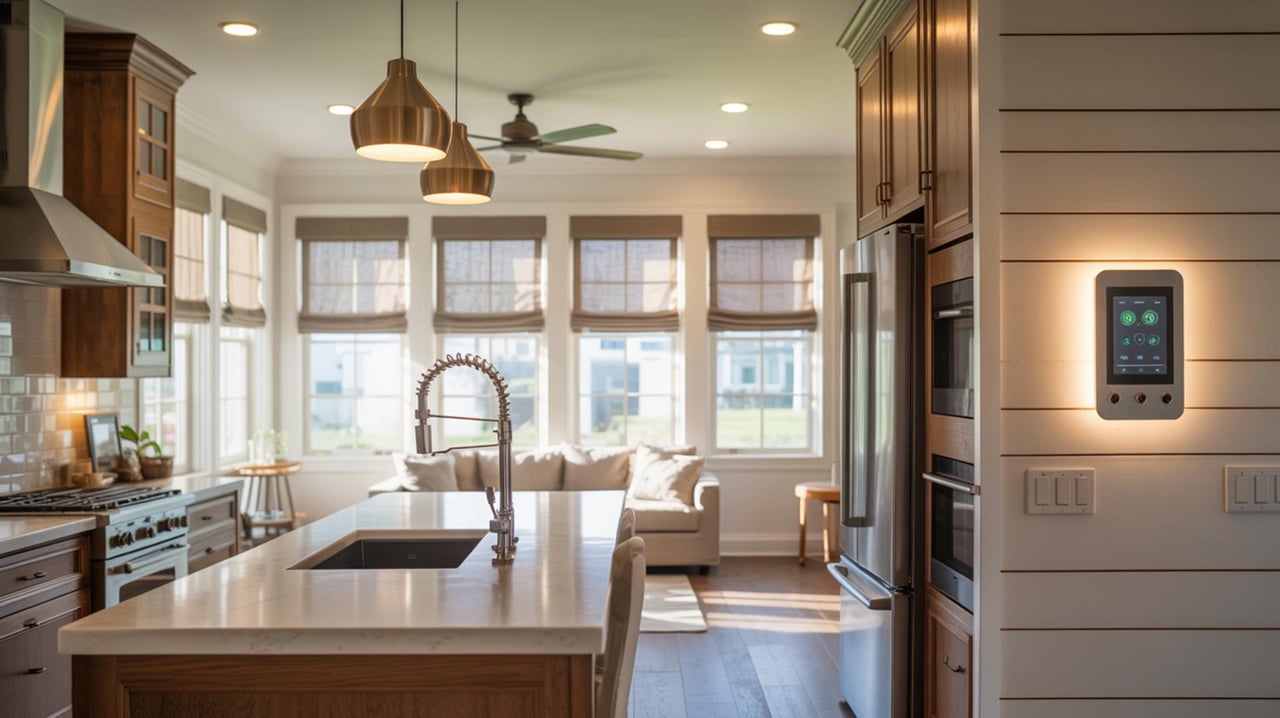
A programmable thermostat allows you to set specific temperatures for different times of the day, ensuring your heating and cooling systems operate efficiently. In Little Rock's variable climate, this can be particularly beneficial. By programming the thermostat to lower the temperature when you're asleep or away, you can save energy without sacrificing comfort. Many modern thermostats also offer smart features, allowing you to control settings remotely via a smartphone app.
Add Insulation
Proper insulation is crucial for maintaining a consistent indoor temperature and reducing energy costs. If your home is under-insulated, consider adding insulation to the attic, walls, and floors. This helps prevent heat transfer, keeping your home warmer in the winter and cooler in the summer. There are various types of insulation available, including fiberglass, cellulose, and spray foam, each with its own advantages. Choosing the right type for your home can lead to significant energy savings.
Use Energy-Efficient Appliances
Replacing old appliances with energy-efficient models can have a major impact on your energy bills. Look for appliances with the ENERGY STAR label, which indicates they meet strict efficiency guidelines. Common upgrades include refrigerators, dishwashers, and washing machines. While the initial investment may be higher, the long-term savings on utility bills make it a worthwhile consideration. Additionally, energy-efficient appliances often come with advanced features that enhance convenience and performance.
Install Low-Flow Fixtures
Water heating can account for a significant portion of your energy costs. Installing low-flow fixtures, such as showerheads and faucets, can reduce water usage without compromising performance. These fixtures mix air with water to maintain pressure while using less water. As a result, you’ll use less hot water, reducing the energy needed to heat it. This simple upgrade can lead to noticeable savings on both water and energy bills.
Utilize Window Treatments
Window treatments, such as blinds, shades, and curtains, can play a crucial role in regulating indoor temperatures. In the summer, closing blinds or shades during the hottest part of the day can block out heat and reduce cooling costs. In the winter, opening them during the day allows sunlight to naturally warm your home. Choosing the right window treatments can enhance your home's energy efficiency while adding style and privacy.
Conduct an Energy Audit
An energy audit provides a comprehensive assessment of your home's energy use and identifies areas for improvement. While professional audits are available, conducting a DIY audit can also be effective. Check for drafts, inspect insulation, and evaluate the efficiency of your heating and cooling systems. An audit helps prioritize upgrades, ensuring you focus on the most impactful changes. Understanding your home's energy profile is key to making informed decisions about improvements.
Use Ceiling Fans
Ceiling fans are an affordable way to enhance comfort and reduce reliance on heating and cooling systems. In the summer, fans create a wind-chill effect, making rooms feel cooler without lowering the thermostat. In the winter, reversing the fan's direction circulates warm air trapped near the ceiling back into the living space. Using ceiling fans in conjunction with your HVAC system can lead to energy savings and increased comfort.
Maintain HVAC Systems
Regular maintenance of your HVAC systems ensures they operate efficiently and last longer. Simple tasks like replacing air filters, cleaning vents, and scheduling annual inspections can prevent costly repairs and improve performance. An efficient HVAC system uses less energy, reducing your utility bills. Keeping your system in top condition is an essential part of maintaining an energy-efficient home.
Start Saving Today
By making these simple, low-cost energy upgrades, you can enjoy a more comfortable home and lower utility bills. These changes not only save money but also help the environment. Start implementing them today and see the difference they make. If you're ready to explore more ways to enhance your home, reach out to Kelly Tedder for expert advice and guidance.