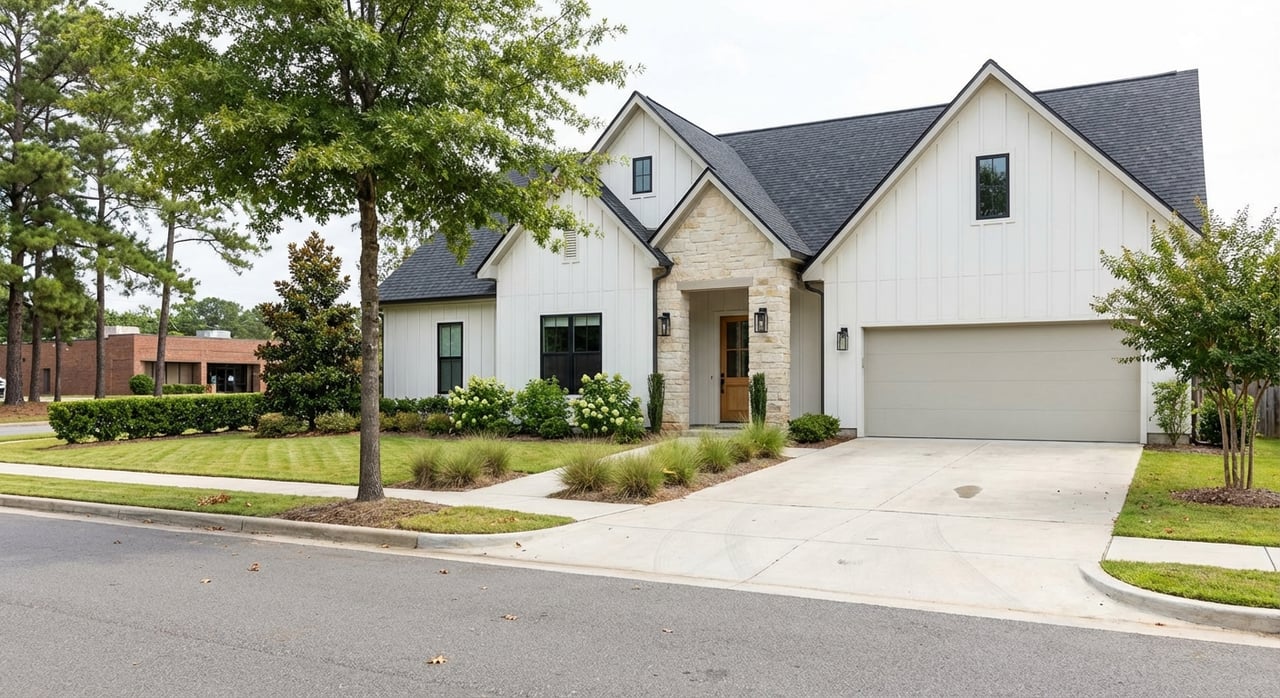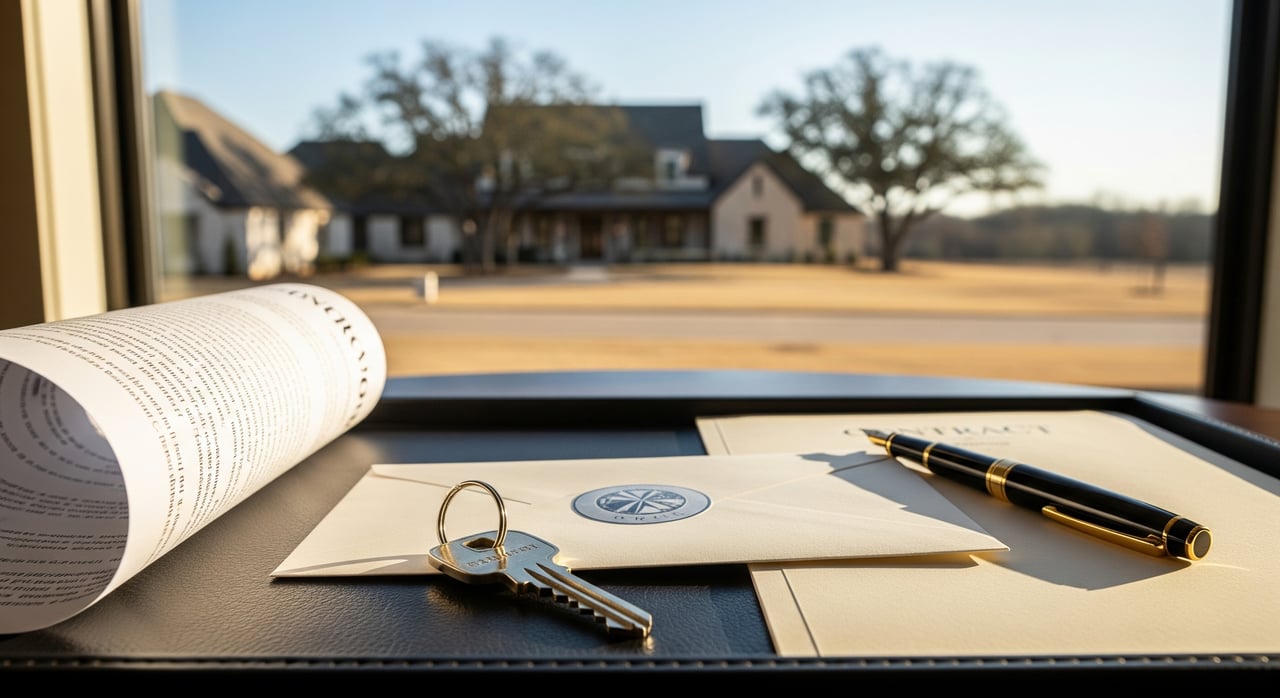
Are you getting ready to make an offer on a home in Cabot? You will likely see a line for earnest money and wonder how much to put down and when you can get it back. You are not alone. A clear plan for your deposit can lower stress, protect your money, and make your offer stronger.
In this guide, you will learn what earnest money is, how Arkansas contracts handle it, typical amounts around Cabot, when it is refundable, and the steps you can take to keep your deal on track. You will also see practical examples tailored to Lonoke County. Let’s dive in.
What earnest money is
Earnest money is a good-faith deposit you include with a signed purchase agreement to show you intend to buy. It is separate from your down payment. If the sale closes, your deposit is usually applied to your closing costs or the purchase price.
The deposit signals commitment and helps protect the seller if a buyer breaches the contract. In Arkansas, title companies often hold earnest money as a neutral escrow agent. A brokerage may also hold funds in a broker trust account when permitted and must follow Arkansas Real Estate Commission trust-account rules and procedures.
Typical amounts in Cabot
There is no state rule that sets a fixed amount. In many markets, buyers offer a flat amount or about 1 percent of the purchase price. Local customs in Cabot and Lonoke County vary with price point and how competitive the listing is.
Here are simple examples to frame expectations:
- On a $150,000 purchase, 1 percent equals $1,500. Many buyers might offer $1,000 to $2,500.
- On a $300,000 purchase, 1 percent equals $3,000. In a competitive situation, buyers sometimes offer more to strengthen the offer.
In balanced conditions, modest flat deposits are common. When multiple offers are likely, larger deposits can help your offer stand out. Your agent can advise on what is typical for your target price range and specific home.
How Arkansas contracts handle the deposit
Where it appears in the contract
The earnest money amount, who will hold it, and how it will be delivered are written into the purchase agreement. Standard forms used by the Arkansas REALTORS Association include an earnest money section and a separate Earnest Money Receipt the escrow holder signs. Always collect a written receipt from the escrow holder when you deposit funds.
Common timelines that affect your deposit
Arkansas purchase agreements set deadlines for key contingencies and the closing date. Actual timelines are negotiated, but these examples are common locally:
- Inspection period: often 5 to 10 days from the effective date.
- Loan commitment or financing contingency: often 21 to 45 days, depending on the lender.
- Closing date: often 30 to 45 days from contract acceptance.
Contracts typically state that earnest money is credited to you at closing. Your rights to a refund depend on these deadlines and the notice requirements in your agreement.
Who decides when funds are released
The escrow agent follows the written contract and any signed instructions from both parties. If you and the seller both sign to release funds, the escrow agent will disburse as directed. If there is a dispute, the escrow holder usually keeps the money until there is a written agreement or a legal order. Many Arkansas REALTOR forms outline neutral dispute processes such as mediation or arbitration.
When your money is refundable vs. forfeited
Situations where refunds are typical
You can usually get your earnest money back if you cancel within a valid contingency period and follow the contract’s notice rules. Common refundable contingencies include:
- Inspection contingency. You find unacceptable defects and send timely written notice within the inspection period.
- Financing contingency. You cannot obtain your loan by the deadline and provide the required documentation and notice.
- Appraisal contingency. The appraisal is low and you invoke your right to cancel if the seller will not adjust terms.
- Title contingency. There are title defects the seller cannot correct within the agreed time.
The key is to meet deadlines and send notices exactly as the contract requires.
Situations where you may forfeit
Your deposit can be at risk if you breach the contract. That can include missing a deadline, failing to send the required written notice, or backing out after contingencies expire. Many contracts allow the seller to keep the earnest money as liquidated damages in these situations.
If you simply change your mind after removing contingencies, the seller may claim a breach and pursue the deposit. Read your agreement carefully and ask questions early.
If the seller breaches
If the seller refuses to perform, cannot deliver marketable title, or prevents closing, you can usually seek a return of your deposit. Many Arkansas contracts specify that earnest money goes back to the buyer if the seller breaches, along with any other remedies provided in the agreement.
Cabot examples to make it real
These are illustrations to show how amounts and timelines affect risk. Your actual terms will depend on your contract.
- Example A: Non-competitive listing. Purchase price $185,000. You offer $1,500 in earnest money to be held by a title company. Inspection period is 7 days. Financing contingency is 30 days. If you find material issues and cancel in writing within 7 days, your deposit is typically refunded. If you waive inspection and later back out without a valid contingency, the seller may claim the deposit.
- Example B: Competitive scenario. Purchase price $250,000. You offer $5,000 in earnest money to make your offer stronger. You set a shorter inspection period of 3 to 5 days. If your mortgage falls through after contingencies are removed and your contract does not protect you, your deposit may be at risk.
Protect your deposit: a Cabot checklist
Follow these steps to safeguard your earnest money in Lonoke County.
- Confirm the details in writing.
- Review the exact deposit amount, who holds it, how you will deliver it, and every contingency deadline.
- Deliver funds the right way and get a receipt.
- Use a cashier’s check, certified check, or a verified wire per escrow instructions. Ask the escrow holder for a written deposit receipt right away.
- Send clear, timely notices.
- If you use a contingency, send the written notice the contract requires and keep date-stamped records.
- Choose a reputable escrow holder.
- Local title companies commonly hold earnest money in Lonoke County. Ask about their process for holding and disbursing deposits and confirm they maintain proper escrow accounts.
- Keep complete documentation.
- Save inspection reports, lender communications, appraisal results, and all written notices and emails. This helps resolve questions quickly.
- Guard against wire fraud.
- Real estate wire fraud is a known risk. Never rely only on emailed wiring instructions. Call the title company using a verified phone number to confirm account details before you send money. The FBI and the National Association of REALTORS have issued consumer warnings recommending these steps.
- Know the dispute process.
- Many Arkansas REALTOR forms call for mediation or arbitration if there is a dispute over earnest money. Understand the process stated in your contract.
- Seek legal counsel for complex issues.
- If your deposit is large or a dispute arises, an attorney experienced in Arkansas real estate can advise you on next steps.
Who holds earnest money in Lonoke County
In Central Arkansas, local title companies often act as the neutral escrow agent for earnest money. Closing attorneys may also serve in this role. Brokerages sometimes accept and deposit funds in a broker trust account, which must comply with Arkansas Real Estate Commission trust-account rules.
If you are new to the area, ask your agent which title companies are commonly used in Cabot and how they handle receipts and releases. No matter who holds the funds, insist on a written receipt and keep it with your records.
Contracts and forms you should know
Standard purchase agreements used in Arkansas include specific language for earnest money and contingency timelines. The Arkansas REALTORS Association standard purchase contract and its Earnest Money Receipt form are common starting points for local transactions. When a brokerage holds funds, Arkansas Real Estate Commission trust-account rules govern how licensees must receive, deposit, and account for client money.
Ask your agent to walk you through the forms before you sign. Understanding the notice requirements and calendar dates on day one can prevent last-minute surprises.
Common pitfalls to avoid
- Missing deadlines by a day. Even short delays can change whether your deposit is refundable. Set reminders for each contract date.
- Vague or verbal notices. Send written notices that quote the specific contract clause, and request confirmation of receipt.
- Wiring to the wrong account. Always confirm wiring details by phone with the title company using a known number.
- Not saving paperwork. Keep copies of everything, from inspection reports to lender denial letters. You may need them to support a refund.
- Skipping the form review. Do not assume the contract matches your last deal. Arkansas forms and timelines can vary by transaction.
A local guide makes the difference
Earnest money is simple once you know the rules, but the details matter. The right amount and the right timelines can strengthen your offer and protect your budget. With deep experience across Cabot and Central Arkansas, a local expert can help you set smart terms and avoid costly mistakes.
If you want clear, patient guidance from offer to closing, connect with Kelly Tedder. As an Executive Broker serving Cabot since 2007, Kelly brings local relationships, responsive service, and proven results to every purchase.
FAQs
How much earnest money do Cabot buyers usually put down?
- Many buyers offer a flat amount or about 1 percent of the price, with modest deposits common in balanced markets and larger deposits in competitive situations.
Who holds earnest money in Arkansas purchases?
- Title companies commonly act as escrow agents in Lonoke County; closing attorneys or brokerages may also hold funds, with broker trust accounts governed by Arkansas Real Estate Commission rules.
Is my earnest money refundable if my loan is denied?
- Often yes, if your contract includes a financing contingency and you provide timely written notice and any required lender documentation by the deadline.
What if the seller backs out of our Arkansas contract?
- If the seller breaches or cannot deliver marketable title, contracts typically direct that the earnest money be returned to the buyer, subject to the agreement’s remedies and procedures.
How do I avoid wire fraud when sending earnest money?
- Verify wiring instructions by calling the title company at a known phone number, never rely only on email, and confirm the payee account details before transferring funds.