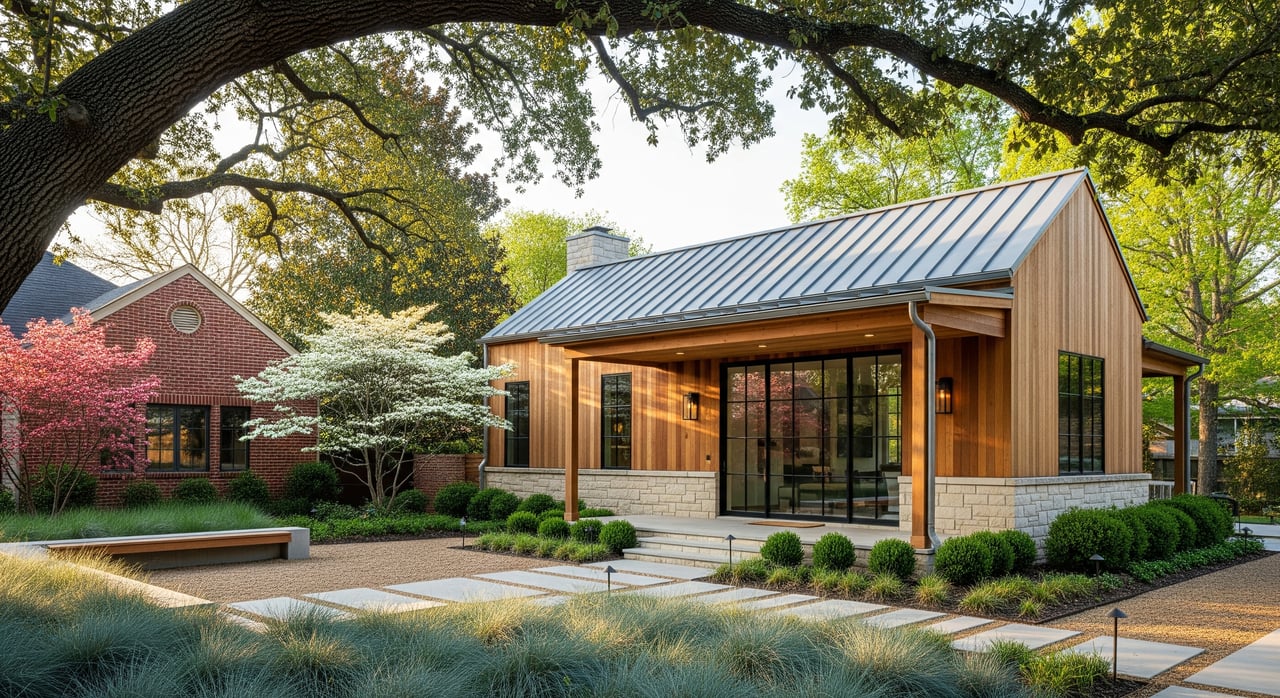
Thinking about adding a backyard cottage, garage apartment, or converted suite to your Little Rock property? An accessory dwelling unit can create space for family or generate rental income, but the big question is how to pay for it. You want a clear plan that fits local rules, your budget, and your long-term goals.
In this guide, you’ll learn the key financing paths, what Little Rock homeowners should check before borrowing, how to line up permits and funding, and what to expect with taxes, insurance, and timelines. Let’s dive in.
Start with Little Rock rules
Before you price loans or call a contractor, confirm what your lot allows. Zoning and permitting drive your costs and the type of financing you’ll need.
- City of Little Rock Planning & Development is your primary source for ADU rules, zoning maps, permit steps, and inspections inside city limits. Check the current ADU ordinance and any administrative rules.
- If your property sits outside city limits in an unincorporated area, Pulaski County permitting may apply instead of city rules.
- Verify if your parcel is in a flood zone using FEMA flood maps. Flood status can change costs and may require flood insurance for your loan.
- Check for owner-occupancy requirements, maximum size, height, setbacks, off-street parking, and design standards. These details affect budget and loan choice.
- Ask about utility hookups. Whether the ADU needs separate meters or can share service changes cost and timeline.
- If you are in a historic district or an HOA, confirm extra approvals or private restrictions.
Tip: Schedule a pre-application conversation with Planning staff. A short meeting early on can help you avoid costly redesigns.
Build a realistic budget
A solid budget helps you select the right loan and keeps surprises to a minimum.
- Interior conversion ADUs usually cost less because the structure already exists.
- Detached new ADUs cost more per square foot due to foundation, utilities, and a separate roof.
- Major cost drivers include foundation type, site grading, sewer/water/electrical work, driveway or parking, and HVAC, plumbing, and electrical systems.
- Add soft costs like design, permits, and inspections.
- Include a 10 to 20 percent contingency for unknowns.
Keep your budget flexible until you have a site plan, preliminary drawings, and a contractor estimate. Lenders often rely on plans and bids to set loan amounts.
Choose the right financing path
There is no one-size-fits-all loan for ADUs. Your equity, credit, timeline, and project scope will point to the best option.
Cash-out refinance
- How it works: You replace your current mortgage with a larger one and take cash at closing to fund the ADU.
- Pros: One payment and typically lower rates than unsecured loans. Can be a large amount if you have strong equity.
- Cons: Restarts your mortgage term and adds closing costs. Increases your mortgage balance.
- Best for: Equity-rich owners who want a simple structure and plan to fund construction directly. Ask lenders about after-improved value if your appraisal can consider the planned ADU.
Home Equity Line of Credit (HELOC)
- How it works: A revolving line secured by your home. You draw funds as needed, often with a variable rate.
- Pros: Flexible draws for phased work and change orders. Lower upfront costs than a refinance.
- Cons: Rate risk and a second lien on your home.
- Best for: Owners with enough equity who want flexibility, especially for smaller or staged projects.
Home equity loan (fixed-rate second mortgage)
- How it works: A fixed lump sum with a fixed interest rate and term.
- Pros: Predictable payments.
- Cons: Less flexible if costs change.
- Best for: Clear scope and firm budget.
Renovation mortgages
- FHA 203(k): Allows you to finance renovation plus purchase or refinance. Lower down payment options, but requires more paperwork and FHA mortgage insurance. Owner-occupancy is required.
- Fannie Mae HomeStyle Renovation: Conventional loan that can include ADU costs and consider after-renovation value. Standard credit and down payment rules apply.
- Freddie Mac CHOICERenovation: Similar to HomeStyle. Availability depends on participating lenders.
- Best for: Owner-occupants who want to wrap construction costs into a long-term mortgage with after-completion value considered.
Construction-to-permanent loan
- How it works: Funds construction through draws, then converts to a long-term mortgage when the ADU is complete.
- Pros: One closing and structured inspections. Uses after-completion value.
- Cons: Requires detailed plans, a licensed builder, and more documentation.
- Best for: Ground-up detached ADUs or major additions built as new structures.
VA options for qualified veterans
- VA-backed cash-out refinancing and certain renovation or energy-efficient improvements may apply. Owner-occupancy and VA eligibility rules apply. Consult a VA-approved lender.
Personal loans or private financing
- Pros: Fast approvals and no lien on your home for unsecured loans.
- Cons: Higher rates and lower limits. Private loans and hard money can be costly. Use caution and clear contracts.
Grants and incentives
- Check City of Little Rock Housing & Community Development and the Arkansas Development Finance Authority for any current programs. As of now, widely publicized ADU grants are not evident, but programs can change.
A step-by-step roadmap
Use this sequence to keep permits and financing aligned from day one.
- Confirm zoning and rules. Verify ADU allowance, size, parking, owner-occupancy, utility requirements, and any historic or HOA restrictions for your parcel.
- Get a preliminary site assessment. Review lot constraints, utility capacity, and any floodplain or elevation requirements that could affect costs and insurance.
- Develop scope and a working budget. Hire a designer or architect for conceptual plans and a cost range. Include permits, design, and contingency.
- Pick your financing path and get pre-approved. Share your plans and budget with lenders. If using a renovation or construction loan, confirm they will underwrite to after-completion value.
- Secure contractor bids. Lenders usually need licensed contractor bids, a detailed scope, and a timeline.
- Submit for permits and finalize the lender package. Many lenders require permits or proof your plans are permit-ready before funding draws.
- Fund and build. Renovation and construction loans pay in draws based on inspections. With a HELOC or cash-out, you pay the contractor per the contract.
- Complete inspections and obtain the certificate of occupancy. Your lender will convert the construction phase into permanent financing if applicable.
- Update insurance, taxes, and rental setup. Add the ADU to your policy, plan for likely property tax changes, and register rentals if required.
Insurance, taxes, and rental planning
Budget more than just hard construction costs. Plan for ongoing items.
- Insurance: Update your homeowners policy to include the new structure. If you plan to rent, ask for landlord or rental coverage and confirm liability limits.
- Flood insurance: If FEMA maps show your property in a flood zone and your loan or lender requires it, you will need flood insurance. Consider coverage even outside mapped zones based on your risk tolerance.
- Property taxes: Adding an ADU usually raises assessed value. Expect a reassessment after completion and a higher annual tax bill.
- Rental income and taxes: Rental income is taxable. You may deduct allowable expenses and depreciation. Short-term rentals may require local registration and occupancy tax collection. Check city rules before listing.
Timelines and what to expect
- Permitting and financing can take 2 to 6 months or longer before construction starts. The time depends on design complexity, lender underwriting, and permit review.
- Construction timelines vary by project type, builder capacity, weather, and site conditions.
- Many loans rely on after-completion value and require detailed plans and contractor documents. Start assembling your team early.
Common pitfalls to avoid
- Skipping early zoning and site checks. This leads to rework and budget overruns.
- Underestimating site and utility costs. Sewer, water, and electrical upgrades add up fast.
- Choosing financing before you have a scope. Match the loan to the project type and schedule.
- Forgetting contingency, insurance changes, and property taxes. Build them into your plan.
- Hiring without clear contracts. Require licensed, insured contractors and lien waivers.
Working with local pros
Strong local partners can save you time and money. Your checklist:
- City or County planning staff for zoning and permit steps.
- A designer or architect to translate ideas into permit-ready plans.
- A licensed contractor with ADU or small-infill experience.
- A lender who offers renovation or construction-to-perm loans and understands after-completion appraisals.
- A trusted real estate advisor who knows Central Arkansas lots, neighborhoods, and rental trends.
If you are weighing whether an ADU is right for your Little Rock property, a conversation early in the process helps you avoid dead ends and build a financing path that matches your goals.
Ready to explore your options or connect with lenders and local builders? Reach out to Kelly Tedder with PorchLight Realty for a local, step-by-step plan that fits your timeline and budget.
FAQs
Can I finance a detached ADU in Little Rock?
- Yes. Many lenders offer construction loans or renovation mortgages that consider after-completion value, typically requiring plans, permits, and licensed contractor bids.
How do I know if my lot allows an ADU?
- Confirm with City of Little Rock Planning & Development or Pulaski County if you are outside city limits. Ask about size, setbacks, parking, utilities, and any owner-occupancy rules.
How long before construction can start?
- Expect 2 to 6 months or more for design, permit review, and loan underwriting. Complex sites, floodplain review, and builder schedules can add time.
Will my property taxes increase after adding an ADU?
- Most likely. A new living unit raises assessed value. Check with the Pulaski County Assessor and plan for a higher annual tax bill after completion.
Do I need flood insurance for my ADU project?
- If FEMA maps show your property in a flood zone and your lender requires it, yes. Even outside mapped zones, consider risk and discuss coverage with your insurance agent.
Can rental income help me qualify for a loan?
- Some products consider projected rent, but many owner-occupant renovation loans do not qualify you solely on projected income. Check lender guidelines early.